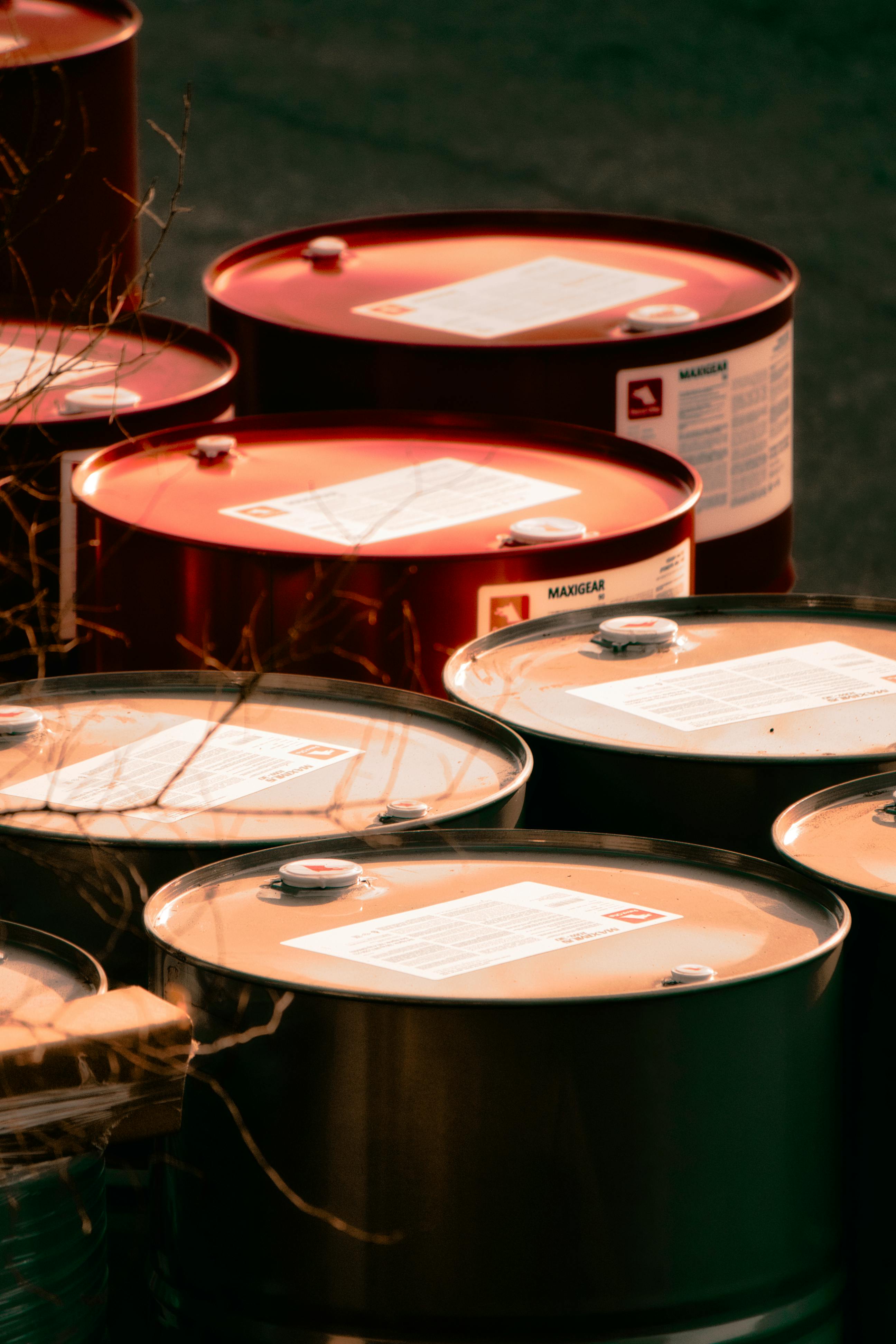
delta-xero units warehouse

equipment calibration

Clean Fluid Isn’t a Guess. It’s a System

Filtration performance should never rely on assumption. 
In critical systems, visibility and control determine reliability. 

Delta-Xero’s Equipment Solutions integrate monitoring, verification, and structured service into everyday operation — turning fluid cleanliness into a controlled, measurable, repeatable process. 

Frequently 
Asked Questions

Faq delta-xero

01What makes Delta-Xero different from conventional oil filtration systems?

Traditional filtration systems rely on fixed micron-rated pores, removing only solid particles while often missing soluble varnish and potentially stripping additives.

Delta-Xero uses advanced capillary filtration technology to remove particles, water, and both soluble and insoluble varnish without depleting additives.

It operates offline for continuous deep cleaning and becomes more efficient as contamination levels increase. And as the oil is progressively cleaned, the system itself is cleaned as well, removing existing deposits and varnish from internal surfaces, resulting in a cleaner, fully restored operating environment.

02How does Delta-Xero remove varnish from oil?

Delta-Xero removes both soluble and insoluble varnish using capillary filtration technology.

Unlike traditional filters that rely on fixed micron pores, Delta-Xero uses capillary networks that attract polar oxidation by-products. This enables:

  • Turbine oil varnish removal

  • Hydraulic oil varnish removal

  • Prevention of further oxidation

  • Restoration of thermal efficiency

03What contaminants does Delta-Xero remove?

Delta-Xero nano filtration removes:

  • Particles down to 0.1 micron

  • Varnish (soluble & insoluble)

  • Sludge and oxidation by-products

  • Water

  • Siloxane (fuel applications)

  • Salts

  • Biological contamination (diesel & fuel systems)

04What ISO 4406 cleanliness levels can be achieved?

Delta-Xero systems are capable of significantly reducing ISO 4406 cleanliness codes, with turbine oil applications achieving levels as low as 0/0/0 under controlled conditions, effectively making the fluid particle-free. Lower ISO cleanliness codes are directly linked to increased reliability, as cleaner oil reduces component wear and extends Mean Time Between Failures (MTBF). This level of performance is made possible by Delta-Xero’s ability to remove submicron particles and degradation byproducts that conventional filtration cannot effectively capture.

05What material are the units made of?

Stainless steel 316, in most cases, the DX1525 also comprises some SS304.

06Is this an online or offline system?

Delta-Xero systems are offline (kidney loop) filtration units, operating independently of the main system to continuously clean fluid without affecting system pressure or operation.

07Will the unit affect system pressure or flow?

No. Because the unit operates offline, it does not interfere with the main hydraulic or lubrication circuit.

08What system sizes are available?

Single and multiple cartridge systems are available, covering:

  • 1 to 12 cartridges per housing

  • Flow rates from <1 to 20 L/min

  • Reservoir capacities from 100 to 120,000 litres

09What power options are available?

  • Electric (single or three phase)

  • Pneumatic

  • Hydraulic drive

  • ATEX-certified versions available

010How do I know when to change the cartridge?

Cartridge condition should not be assessed using differential pressure (DP) alone.

Delta-Xero systems incorporate a relief valve to protect the pump and housing. Once relief or bypass occurs, pressure readings may no longer accurately reflect the cartridge's true loading state.

Cartridge replacement should be based on a combination of:

  • Differential pressure trends (not just a single reading)

  • Flow stability

  • Fluid analysis results (ISO cleanliness, MPC, water content)

  • Visual inspection during servicing

  • Contamination load expectations for the application

Because Delta-Xero’s capillary media becomes more efficient as it loads, cartridges often continue performing effectively beyond what a simple pressure reading might suggest.

We recommend integrating oil analysis into your maintenance strategy to optimise cartridge life and maximise return on investment.

011How do I dispose of used cartridges?

The cartridge body is recyclable.

Filtration media is made from recycled material and can be disposed of via waste-to-energy systems.

contact us

Ready to transform your oil management?